
Understanding Your Financial Situation
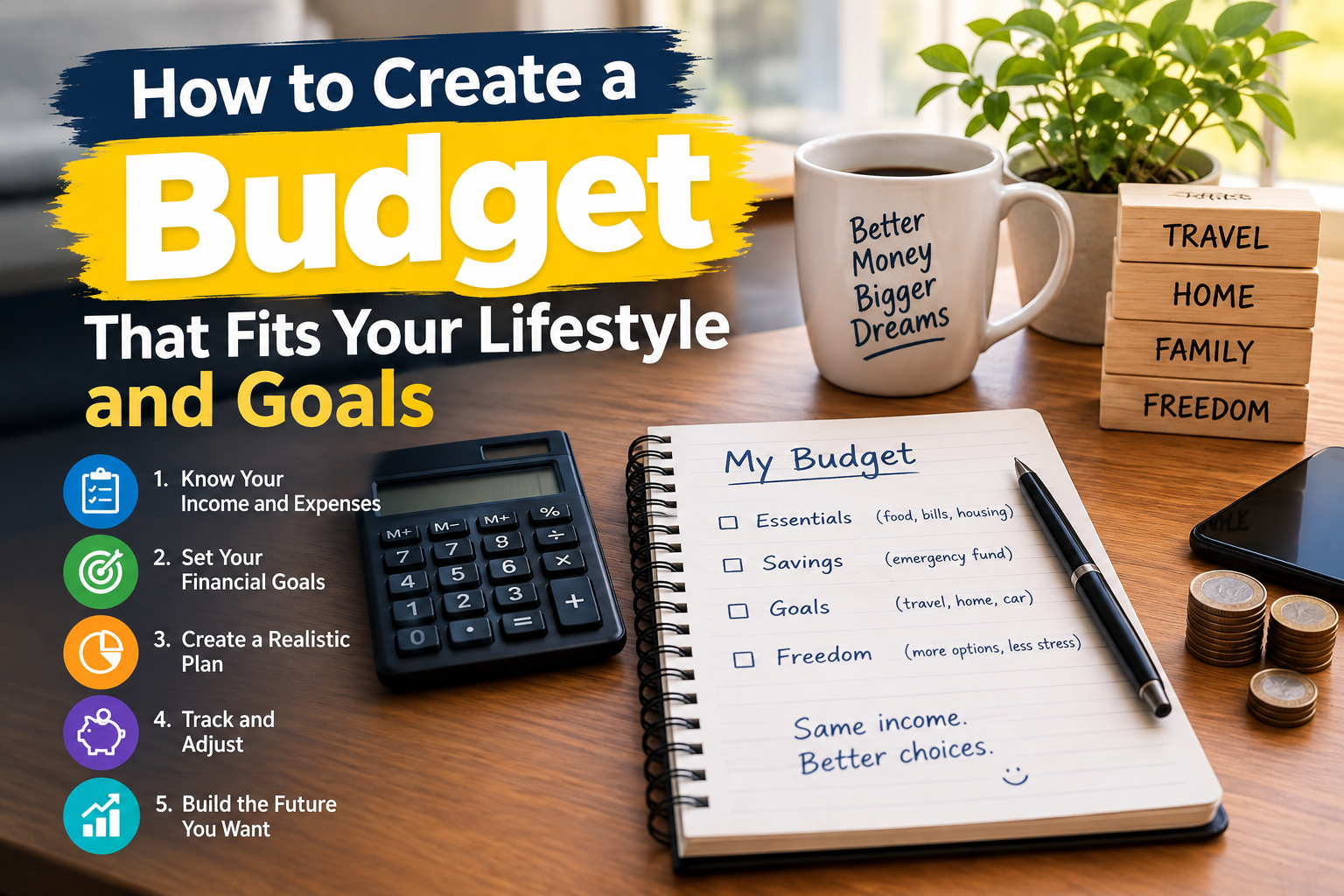
Before you can create a budget, it’s essential to understand your current financial position. Gather your financial statements, including bank statements, investment accounts, and credit card statements. Examine your monthly income—this includes your salary, bonuses, rental income, or any other sources. Deduct your fixed expenses such as rent or mortgage, utilities, insurance, and debt payments to calculate your disposable income.
Set Clear Financial Goals
Establish both short-term and long-term financial goals. Short-term goals can include saving for a vacation or paying off a credit card debt, while long-term goals may focus on saving for retirement or a down payment on a house. Use the SMART criteria—Specific, Measurable, Achievable, Relevant, and Time-bound—to frame your goals. For instance, instead of saying, “I want to save money,” specify, “I will save $500 for a vacation by April 2024.”
Identify Your Spending Categories
Next, categorize your expenses into necessary and discretionary spending. Necessary expenses include essentials like housing, food, and transportation, while discretionary expenses cover luxury items, entertainment, and dining out.
Common Spending Categories:
- Fixed Costs: Rent, mortgage, insurance, and loan payments.
- Variable Costs: Groceries, clothing, and utility bills that can fluctuate.
- Discretionary Spending: Dining out, hobbies, and entertainment.
- Savings and Investments: Retirement accounts, emergency funds, and other investments.
Choose a Budgeting Method
Select a budgeting method that fits your preferences and lifestyle. The most popular methods include:
-
Zero-Based Budgeting: Every dollar of income is allocated to expenses, savings, or debt repayment until your income minus expenses equals zero.
-
50/30/20 Rule: Allocate 50% of your income to needs, 30% to wants, and 20% to savings and debt repayment.
-
Envelope System: Withdraw cash for specific categories (like groceries or entertainment) and place them in envelopes. When the money is gone, stop spending in that category.
- Use Budgeting Apps: Tools like Mint, YNAB (You Need a Budget), and PocketGuard can help you track your spending and stick to your budget seamlessly.
Track Your Spending
Once you have a budgeting method, consistently track your spending. Utilize tools like spreadsheets or budgeting apps that allow you to record your daily transactions. Many apps link directly to your bank accounts and provide visual charts that show where your money goes. This tracking will illuminate spending patterns and help you make better financial decisions in the future.
Adjust Your Budget Accordingly
A budget is not a static document; it should evolve as your financial situation changes. Regularly review your budget—at least once a month—and make adjustments for unexpected expenses or changes in income. If you find that you’re consistently overspending in a certain category, reassess and redistribute funds from other categories to balance things out.
Prioritize Savings and Debt Repayment
Make savings and debt repayment integral parts of your budget. Aim to build an emergency fund that covers 3-6 months of living expenses. Allocate a specific percentage of your income towards this fund each month.
To pay down debt efficiently, consider methods like the Snowball or Avalanche method. The Snowball method focuses on paying off the smallest debts first to gain momentum, while the Avalanche method prioritizes debts with higher interest rates, saving you more money over time.
Include Fun Money
While budgeting is about managing finances wisely, it’s crucial to enjoy your hard-earned money. Set aside a small portion of your budget for discretionary spending—but be sure to keep it reasonable. This “fun money” enables you to indulge occasionally without jeopardizing your overall financial goals.
Use Visual Aids for Motivation
Visual aids can enhance your budgeting experience. Consider creating a vision board that represents your goals—whether it’s buying a home, traveling, or retirement. Tracking your progress visually can boost motivation and keep you focused on adhering to your budget.
Communicate with Your Partner or Family
If you share finances with a partner or family, clear communication is essential. Schedule monthly budget meetings to discuss goals, challenges, and adjustments. Collaborative budgeting helps everyone feel involved and accountable.
Leverage Financial Education Resources
Increase your financial literacy by reading books, attending workshops, or following financial advisors on social media. Resources such as “The Total Money Makeover” by Dave Ramsey or “The Millionaire Next Door” by Thomas J. Stanley provide valuable insights on managing and growing your finances.
Plan for Irregular Expenses
Don’t forget to account for irregular expenses in your budget, such as annual subscriptions, car maintenance, or holiday spending. Set aside a small amount monthly to cover these costs when they arise. This proactive approach prevents you from derailing your budget when these expenses occur.
Monitor Financial Trends
Stay informed about financial trends and updates that may affect your personal finance strategy. Subscribing to financial news outlets or blogs can help you remain aware of economic changes and their potential impact on your budget.
Seek Professional Help if Necessary
If creating and sticking to a budget proves overwhelming, consider seeking advice from a financial advisor. A professional can provide tailored advice, help you refine your budget, and assist you in setting realistic financial goals.
Implement Regular Reviews of Your Goals
Take time to assess your financial goals regularly. Engage in quarterly or bi-annual reviews to evaluate your savings progress, debt repayment status, and overall financial health. Adjust your budget and financial goals based on changes in your lifestyle, job situation, or family needs.
Celebrate Milestones
Celebrate your budgeting achievements, both small and large. Whether it’s paying off a debt or reaching a savings milestone, acknowledging these successes can motivate you to maintain your budgeting discipline.
Stay Flexible
Life can be unpredictable, and your budget should reflect that. Remain flexible and open to adjustments, especially in times of economic changes, health issues, or personal circumstances. Flexibility ensures you won’t feel trapped by your budget but will instead use it as a tool to enhance your financial freedom.
Conclusion (omit in final article)
Creating a budget that aligns with your lifestyle and goals is a dynamic process. Financial well-being requires ongoing assessments, adjustments, and planning, allowing you to achieve your financial aspirations while enjoying life.
